
Views: 334 Author: Site Editor Publish Time: 2026-03-28 Origin: Site
The digital landscape is shifting under the weight of Artificial Intelligence. While most of us see AI through a chat interface or a generated image, the real transformation is happening in the physical world. Deep inside massive facilities, high-performance chips are running 24/7, consuming electricity at a rate we have never seen before. This surge is fundamentally changing how we view power demand on a global scale.
Traditional cloud computing was predictable. AI is not. It requires specialized AI infrastructure that draws significantly more wattage per rack than standard servers. This shift isn't just a minor uptick; it is a total reshaping of the energy grid. Utilities, tech giants, and hardware manufacturers are now racing to find ways to supply this massive Data center power demand without collapsing existing systems. In this guide, we will explore the technical and structural ways AI is rewriting the rules of energy consumption.
To understand the change, we must look at the hardware. AI relies on GPUs (Graphics Processing Units) and TPUs (Tensor Processing Units). These chips are incredibly fast but thermally intensive. A standard server rack might draw 5 to 10 kilowatts (kW). In contrast, an AI-ready rack can easily exceed 50kW or even 100kW. This density is the primary driver behind the skyrocketing Industrial power demand.
They operate differently too. Traditional data centers have "peaks" and "valleys" in usage. AI training models often run at full capacity for weeks at a time. This "baseload" behavior means the grid never gets a break. We are moving from a world where digital energy was a variable cost to one where it is a constant, massive pressure point. For grid operators, this creates a massive forecasting headache. They must now plan for Data center power demand that stays at 100% capacity around the clock.
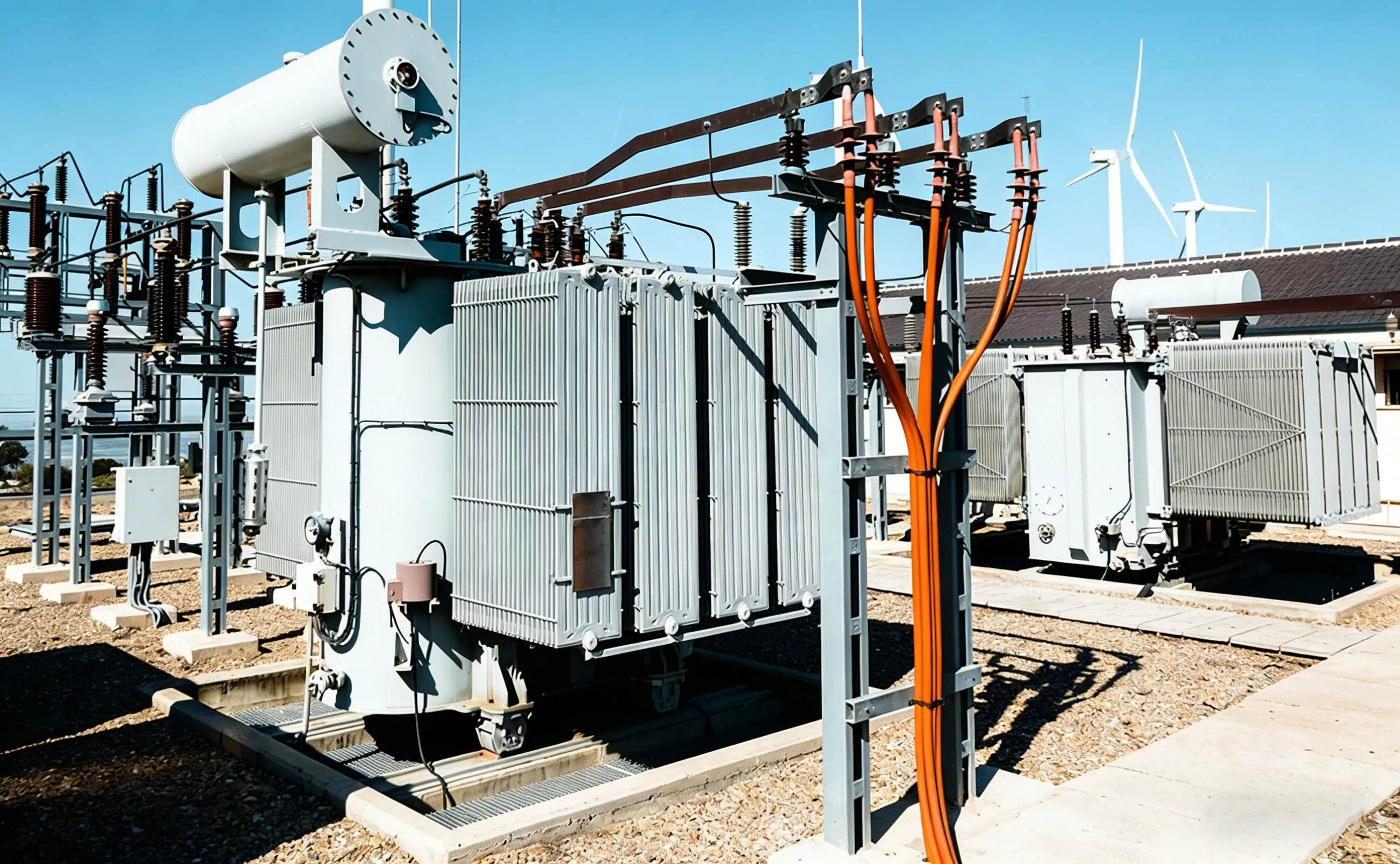
Not all AI work is the same. We generally split AI activity into two phases: training and inference. Each has a unique impact on power demand. Training is the process of "teaching" the AI, while inference is the AI "answering" a user's prompt.
Training a large language model (LLM) is an energy marathon. It requires thousands of chips working in perfect synchronization. Because the chips must talk to each other constantly, they are packed tightly together. This creates a localized "heat island" within the facility. The AI infrastructure must not only power the chips but also the massive cooling systems needed to keep them from melting. This phase represents the most intense spike in Data center power demand seen in the last decade.
Inference might seem lighter, but it happens billions of times a day. Every time you ask an AI to write an email, a small amount of energy is used. When scaled to millions of users, this creates a massive, permanent increase in Industrial power demand. Unlike training, which can be done in remote areas where energy is cheap, inference needs to happen close to the users to reduce lag (latency). This forces data centers into urban areas where the grid is already stressed.
Because the energy needs are so high, the old "dumb" grid cannot cope. We are seeing a rapid shift toward the Smart grid to manage the load. A Smart grid uses digital technology to monitor and react to changes in usage. For AI facilities, this means the ability to communicate directly with utility companies.
In a Smart grid environment, a data center can "throttle" non-essential tasks when the local community needs power for heating or cooling. AI companies are now looking for ways to make their software "energy-aware." They can move heavy training loads to different times of day or even different geographic regions based on available supply. This flexibility is key to stabilizing Data center power demand.
AI algorithms analyze grid patterns to predict when a transformer might fail or when a surge is coming. By using AI to optimize the Smart grid, we can eke out more efficiency from existing copper wires and substations. It creates a feedback loop where the technology helps solve its own energy problems.
| Technology | Role in Energy | Impact on Power Demand |
| Smart Grid | Real-time monitoring | Fluctuating/Optimized |
| AI Infrastructure | Heavy processing | Constant/High |
| Liquid Cooling | Heat dissipation | Reduces auxiliary demand |
| Fiber Optics | High-speed data | Minimal direct draw |
Tech giants are tired of waiting for utilities to upgrade the grid. In many areas, it takes five to seven years to get a new high-voltage connection. To bypass this, many are moving toward Off grid solutions. This means the data center becomes its own power plant.
We are seeing a surge in interest for Small Modular Reactors. These are compact nuclear plants that can be built on-site. By going Off grid, an AI infrastructure project can secure its own reliable, carbon-free energy without competing with local residential needs. This is the ultimate "expert move" in managing Data center power demand. It removes the facility from the public ledger of energy stress.
While the goal is green energy, the immediate reality often involves natural gas. Many new facilities are installing massive gas turbines as primary or secondary sources. They use these to manage their Industrial power demand when solar or wind isn't enough. The future, however, is shifting toward green hydrogen. As hydrogen technology matures, it will allow Off grid facilities to store massive amounts of energy for use during peak times.
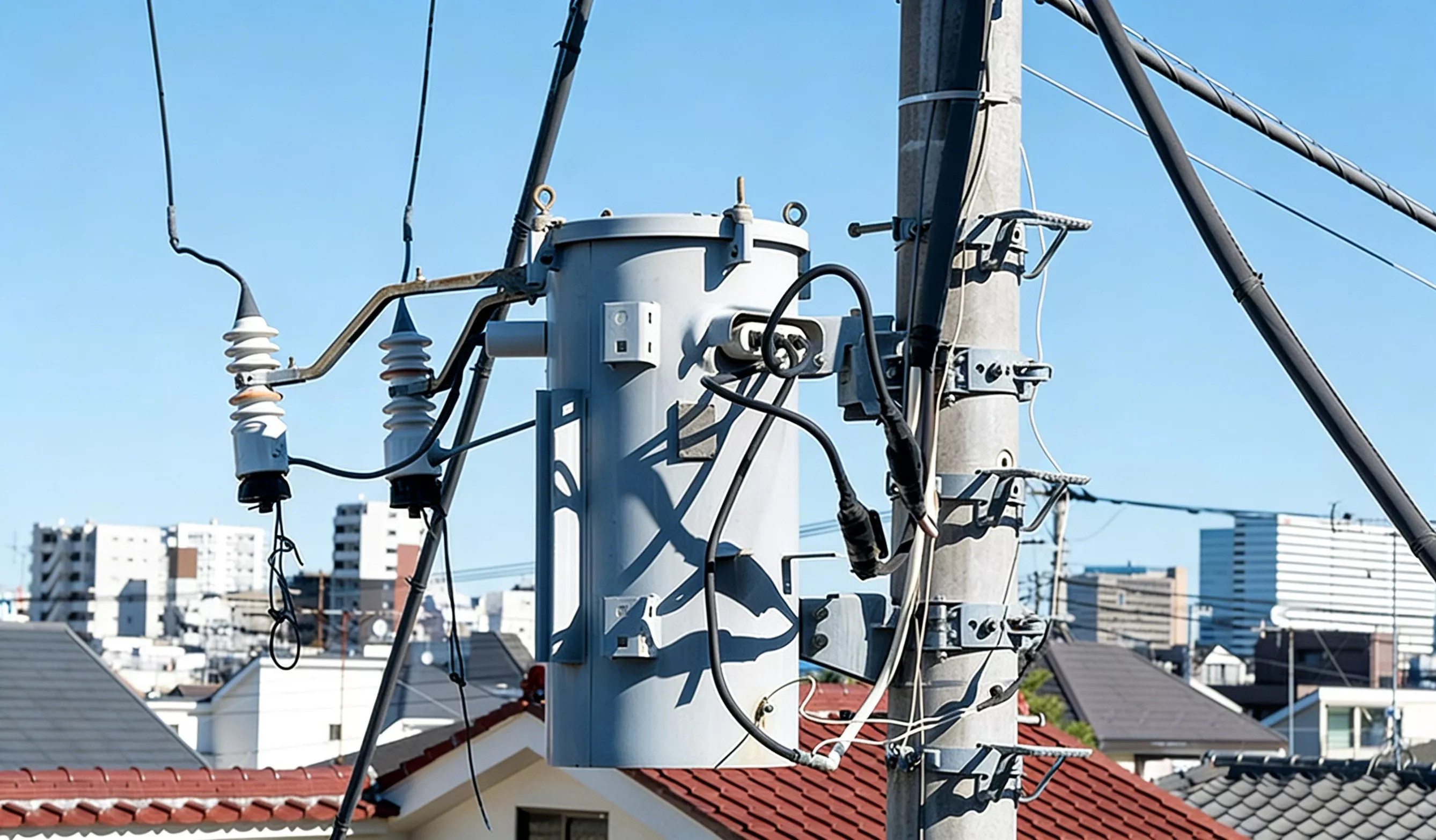
The physical equipment that steps down voltage—the transformer—is the unsung hero of this story. Because AI racks require so much current, the internal electrical architecture of the data center is changing. We are moving from low-voltage distribution to much higher voltages directly to the rack.
In an environment with extreme Data center power demand, every percentage point of efficiency matters. Traditional transformers lose energy as heat. Modern, high-efficiency units use specialized cores and cooling oils to minimize these losses. When you are drawing 100MW, a 2% increase in efficiency saves 2MW—enough to power thousands of homes. This is why high-grade electrical equipment is now the bottleneck for AI expansion.
As data centers move closer to cities for inference, they need compact substations. These units must handle massive Industrial power demand while fitting into tight urban footprints. We are seeing a trend toward gas-insulated switchgear (GIS) and modular substation designs. These allow the AI infrastructure to tap into the high-voltage "backbone" of a city without requiring acres of land.
The environmental impact of AI is a major concern. To solve the Data center power demand crisis, companies are signing Power Purchase Agreements (PPAs) for renewable energy. They are effectively funding the construction of new wind and solar farms to offset their consumption.
It isn't enough to just buy "green credits." Experts are now pushing for "24/7 Carbon-Free Energy." This means every hour of power demand must be matched by an hour of green production. This is incredibly difficult. It requires massive battery storage systems to bridge the gap when the sun goes down. These battery arrays are becoming a standard part of modern AI infrastructure.
Air cooling is inefficient. Blowing fans uses a lot of electricity and doesn't move heat very well. Liquid cooling—where a coolant flows directly over the chips—is much more efficient. It allows for tighter packing of servers and drastically reduces the "overhead" energy. By adopting liquid cooling, a facility can lower its total Data center power demand by up to 20-30%.
Energy is becoming the new "oil" for the digital economy. Countries with cheap, abundant electricity are becoming the new hubs for AI. We see this in places like the Nordics or parts of the United States with high hydro-power capacity.
Ten years ago, a data center chose its location based on tax breaks or fiber optic lines. Today, the number one factor is the ability of the grid to support Industrial power demand. If the local utility cannot guarantee 200MW of capacity, the project goes elsewhere. This is causing a geographic shift in where tech wealth is concentrated.
As power demand rises, so does the price. This creates a barrier to entry. Only the wealthiest companies can afford the energy bills for training world-class AI models. This "energy moat" is a significant concern for regulators. To keep AI competitive, we must find ways to make AI infrastructure more energy-efficient, or we risk a monopoly on intelligence driven by energy access.
The relationship between AI and electricity is still in its early stages. We are moving toward a future where data centers aren't just consumers; they are active grid participants.
Virtual Power Plants (VPPs): Data centers using their backup batteries to push power back to the grid during emergencies.
Heat Re-use: Using the massive heat generated by AI infrastructure to provide district heating for nearby towns.
Silicon Evolution: Chips that use light (photonics) instead of electricity to process data, which could slash power demand by 90% (Note: This technology is currently in the R&D phase and requires further validation for mass-scale use).
The reshaping of power demand is a massive challenge, but it is also an opportunity. It is forcing us to modernize a grid that has been stagnant for decades. The result will be a more resilient, smarter, and eventually greener energy system for everyone.
AI data centers are the new heavy industry of the 21st century. Their impact on power demand is profound, forcing us to rethink everything from the Smart grid to how we build transformers. By focusing on high-efficiency AI infrastructure, exploring Off grid options, and pushing for 24/7 renewable energy, we can support the growth of intelligence without breaking our planet's energy systems. The path forward requires a blend of clever engineering and massive investment in the physical electrical backbone that makes the digital world possible.
Q: How much power does a single AI request use?
A: Research suggests a single ChatGPT query can use about 10 times more electricity than a standard Google search. This is why the aggregate Data center power demand is rising so quickly as these tools become more popular.
Q: Can renewables alone power AI infrastructure?
A: It is difficult because AI requires a constant "baseload" of power. Renewables like wind and solar are intermittent. To make it work, facilities need massive battery storage or to be part of a Smart grid that can balance various energy sources.
Q: Why do transformers matter for AI?
A: Transformers are needed to change the high-voltage electricity from the grid into the specific voltages servers use. High-efficiency transformers reduce energy waste, which is critical when managing the high Industrial power demand of an AI facility.
ZISHENG operates a world-class manufacturing facility specialized in high-performance electrical solutions. ZISHENG focuses on the “heart” of the grid: transformers and substations that support today’s rapidly growing industrial power demand. The ZISHENG factory is equipped with precision winding machines and advanced testing laboratories, ensuring that every unit can withstand the rigorous 24/7 load requirements of modern AI infrastructure.
ZISHENG takes pride in delivering high-quality products tailored to the specific needs of the data center industry. The strength of ZISHENG lies in its deep engineering expertise. Rather than simply building to standard specifications, ZISHENG continuously innovates to enhance efficiency and heat dissipation.
Whether developing an off-grid microgrid or upgrading an urban smart grid connection, ZISHENG has the manufacturing capacity and technical expertise to support the most ambitious projects. ZISHENG understands that in the AI-driven world, downtime is not an option, and energy efficiency is essential to maximizing profitability.


