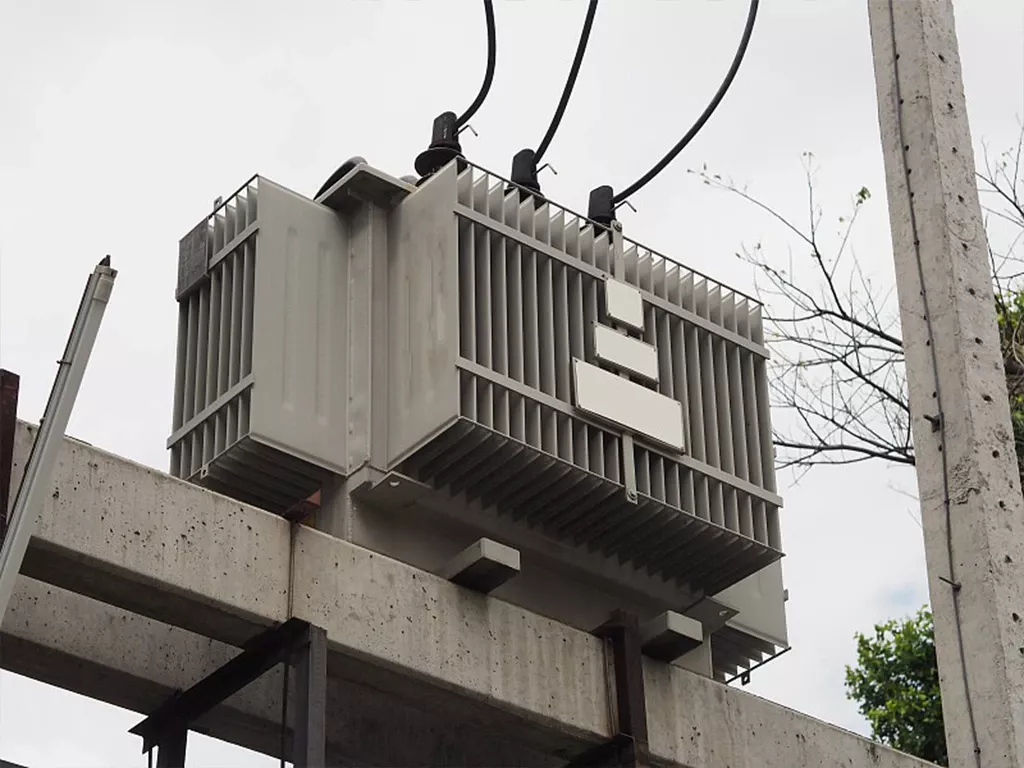
Power instability in data centers causes downtime and data loss. This leads to financial damage and operational risks. Choosing the right data center transformer ensures stable, efficient, and reliable power supply. A data center transformer is designed to deliver high reliability, efficiency, and stable voltage for critical IT loads. Selecting the right transformer for data center applications ensures optimized power distribution in data centers, reduces energy losses, and supports continuous operation within complex data center electrical infrastructure systems. Understanding transformer requirements is essential for ensuring uninterrupted data center performance. Continue reading for expert insights.
Selecting the right EV charging transformer requires evaluating load demand, voltage levels, and system configuration. A properly designed transformer for electric vehicle charging station improves efficiency, supports fast charging, and ensures stable operation, making it a critical component of modern EV infrastructure transformer systems.
Traditional transformers lack flexibility and real-time control, causing inefficiencies and outages. This leads to energy waste and unstable grids. Smart solutions enable better monitoring, control, and performance optimization.A Smart transformer integrates digital control, sensors, and communicati
High energy losses increase electricity costs and reduce system performance. Inefficient transformers waste power and lower ROI. Improving transformer efficiency helps reduce losses and maximize long-term savings.Improving transformer efficiency involves reducing transformer energy losses through ad
Overheating damages transformers, causing failures, downtime, and safety risks. This leads to costly repairs and energy losses. Effective transformer cooling methods ensure safe operation and extend equipment lifespan.Effective transformer cooling system solutions such as ONAN, ONAF, OFAF, and dry-t
Neglected transformers often fail unexpectedly, causing costly downtime and safety risks. Poor maintenance increases losses and shortens lifespan. Effective transformer maintenance ensures reliability, efficiency, and long-term savings.Proper transformer maintenance includes routine transformer insp
● A future-ready Oil Immersed Transformer combines lower losses, reliable cooling, and long-term operating stability. ● Modern Oil Immersed Transformer solutions are increasingly designed for renewable energy, BESS, industrial upgrades, and utility expansion. ● Smarter monitoring, stronger safety features, and improved insulation systems are shaping current transformer development. ● Cooling flexibility and environmental adaptability are now important parts of Oil Immersed Transformer selection. ● A future-focused Oil Immersed Transformer should be evaluated by efficiency, monitoring, customization, and lifecycle suitability.
● Oil Immersed Transformer technology is evolving through lower-loss design, smarter monitoring, and improved cooling performance. ● A modern Oil Immersed Transformer remains essential in utility, industrial, renewable energy, and infrastructure applications. ● New power demands require better efficiency, stronger overload support, and wider environmental adaptability. ● Digital monitoring, improved insulation systems, and advanced cooling configurations are shaping current transformer design. ● Selecting the right Oil Immersed Transformer now requires attention to load profile, loss level, cooling mode, safety features, and customization.
● Safe Oil Immersed Transformer operation begins with risk awareness, routine inspection, and disciplined operating procedures. ● Oil level, cooling devices, protection accessories,and key electrical test results should be checked before energization. ● Transformer oil handling requires proper PPE, spill prevention, clean tools, and fire precautions. ● Fire protection, routine monitoring, and preventive maintenance reduce the risk of major Oil Immersed Transformer incidents. ● Emergency response plans should be prepared before an Oil Immersed Transformer fault, leak, or overheating event occurs.
● The right Oil Immersed Transformer should match load demand, voltage level, site conditions, and future expansion plans. ● Rated capacity, primary and secondary voltage, frequency, vector group, and impedance should be confirmed early. ● An Oil Immersed Transformer is often preferred for outdoor, industrial, utility, and heavy-duty distribution applications. ● Cooling method, efficiency level, and environmental conditions directly influence long-term cost and performance. ● Manufacturer support, warranty terms, and lifecycle planning are part of correct Oil Immersed Transformer selection.