Please Choose Your Language
Views: 0 Author: Site Editor Publish Time: 2026-08-28 Origin: Site
In the design of power distribution systems for industrial facilities, commercial complexes, and renewable energy projects, transformer selection is always a critical decision. Choosing between an oil-immersed transformer and a dry-type transformer affects not only the initial project investment, but also long-term operating and maintenance costs, safety margins, and adaptability to site conditions.
As an engineer at Zisheng Electric who has spent years working on project sites and participating in design drawing reviews, I understand the real difficulty behind this choice. Listing technical parameters is easy. The real challenge is knowing how to make the right trade-off based on the actual operating conditions of each project.
This article will skip the generic theory and focus directly on the fundamental differences between the two transformer types, providing a practical selection logic that can be applied to real EPC projects.
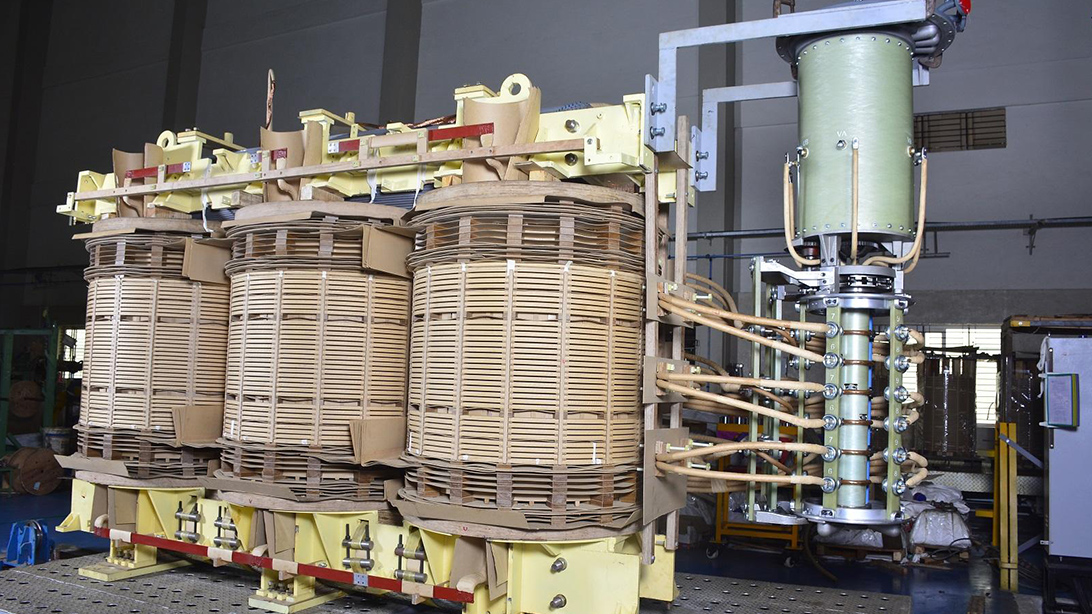
A dry-type transformer uses epoxy resin and air as its primary insulation and cooling media. In a cast-resin design, the windings are encapsulated in epoxy resin, while the core remains exposed to the surrounding air. Heat is mainly dissipated through natural or forced air circulation.
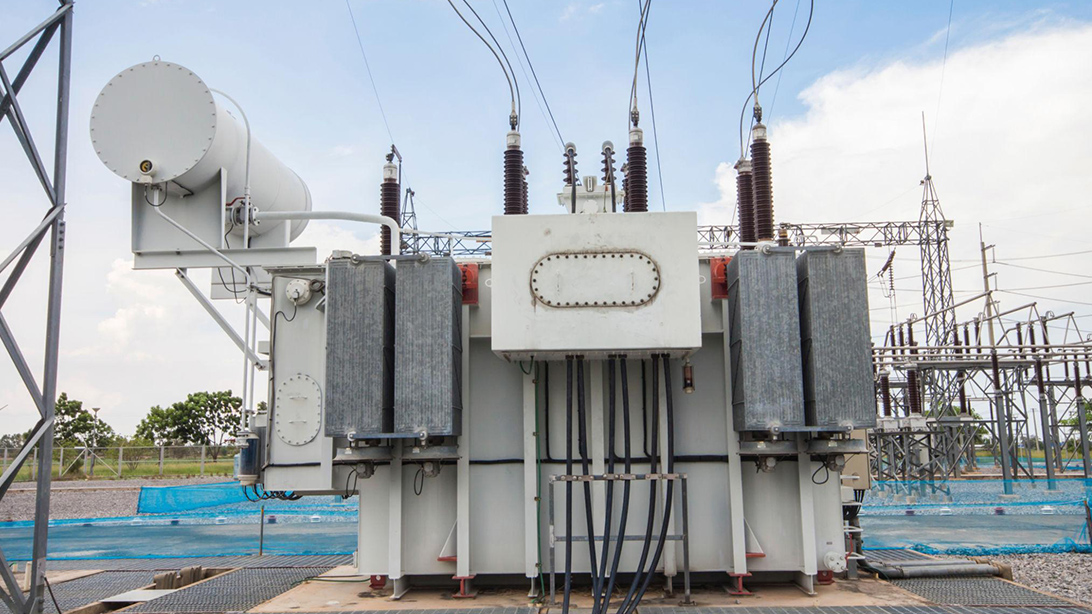
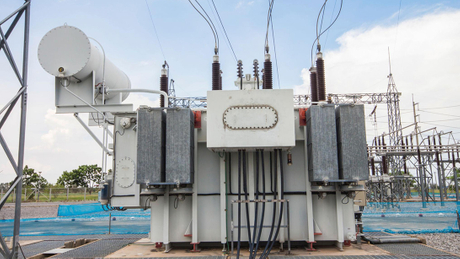
An oil-immersed transformer, by contrast, has both its windings and core immersed in insulating liquid, which may be mineral oil, natural ester fluid, or synthetic ester fluid. The insulating liquid performs two functions at the same time: it provides electrical insulation and serves as the primary medium for transferring heat away from the active parts.
This fundamental structural difference is what creates the major distinctions between the two transformer types in terms of fire and safety characteristics, cooling performance, overload capability, insulation life, and adaptability to different installation environments.
Dry-type transformers are generally available in open-wound and cast-resin encapsulated designs. They rely on solid insulation, typically offer a high level of flame resistance, and contain no combustible insulating liquid.
By contrast, conventional mineral-oil-immersed transformers contain a significant volume of flammable insulating oil. If an internal arc or insulation breakdown occurs, rapid heating can vaporize the oil and generate high internal pressure, potentially leading to tank rupture, oil leakage, or even fire. Natural ester and synthetic ester insulating fluids have much higher fire points and are considered less flammable, significantly reducing the associated fire risk.
Oil-immersed transformers use insulating liquid for both electrical insulation and heat transfer. This gives them stronger thermal management capability under high-capacity, high-load, and highly fluctuating load conditions. However, the actual permissible overload capability must still be evaluated based on factors such as ambient temperature, initial loading, cooling method, and winding hot-spot temperature.
The insulation system of a dry-type transformer can reach Class H thermal rating (180°C). This value represents the thermal endurance limit of the insulation material rather than its normal operating temperature. Because dry-type transformers generally have lower overall thermal capacity, their temperature rises more quickly under overload conditions, making ventilation and heat dissipation conditions particularly important.
Comparison Factor | Dry-Type Transformer | Oil-Immersed Transformer |
|---|---|---|
Insulation and Cooling Medium | Cast epoxy resin insulation; natural air cooling (AN) or forced-air cooling (AF) | Mineral oil or synthetic ester fluid; multiple cooling methods including ONAN, ONAF, and OFAF |
Safety and Fire Protection | No combustible liquid, self-extinguishing characteristics; suitable for basements, indoor electrical rooms, and densely occupied buildings | Mineral oil is combustible; usually requires an oil containment pit, fire barrier, or alternatively ester fluid with a fire point above 300°C |
Overload Capability | Moderate short-term overload capability; approximately 120% rated load for about one hour, typically relying on fan-assisted cooling | Stronger overload capability; approximately 130% rated load may be sustained for several hours depending on design and operating conditions, while the higher thermal capacity of oil provides better tolerance for peak loading |
Insulation Condition Monitoring | Main monitoring items include partial discharge, temperature, and insulation condition | Insulation condition can be evaluated through dissolved gas analysis (DGA), moisture content, dielectric loss, partial discharge, and other oil diagnostic methods |
Operating Losses at the Same Rating | No-load losses are generally similar, while load losses may be slightly higher due to differences in conductor cooling conditions | Oil circulation removes heat more effectively, allowing more efficient thermal design under the same temperature-rise limit |
Noise Level | The rigid cast-resin structure may result in relatively higher operating noise, typically around 65–75 dB depending on rating and design | Insulating oil provides a damping effect, and operating noise is generally lower |
Installation and Civil Requirements | Can usually be installed directly in an electrical room without an oil containment pit; foundations are simpler and clearance requirements are generally lower | Usually requires an emergency oil containment system, oil drainage piping, fire barriers, and additional civil works; transportation and oil handling must also be considered |
Maintenance Requirements | Routine work mainly includes visual inspection, temperature monitoring, and dust removal; no oil filtration is required, but damaged winding insulation is difficult to repair on site | Requires periodic oil sampling for moisture, breakdown voltage, and dielectric loss testing; oil filtration or replenishment may be required, with major maintenance intervals often around ten years depending on service conditions |
Life-Cycle Cost (15 Years) | Lower initial investment, but load losses may be higher, increasing long-term electricity costs | Higher initial investment when civil works are included, but lower operating losses and longer service life can provide better economics in large projects |
Typical Service Life | Approximately 20–25 years, with insulation aging strongly affected by temperature and environmental humidity | Approximately 30–40 years, as the oil-paper insulation system can age slowly under proper operating conditions and maintenance |
Environmental Impact and End-of-Life Treatment | Epoxy resin is not biodegradable, and crushing or landfill disposal can create environmental challenges | Mineral oil can be recovered and regenerated; ester fluids may be biodegradable, while most metallic components have a high recycling rate |
Altitude and Environmental Adaptability | Derating may be required above 1,000 m; humid conditions require stronger moisture protection, while condensation can increase surface tracking risk. In dusty environments, ventilation passages may accumulate dust and reduce cooling performance | Less sensitive to humidity due to the sealed insulation system and generally better suited to outdoor, cold-climate, and dusty environments; altitude effects still need to be checked according to project conditions |
When I receive a new project, I do not start by checking the equipment cost. I usually ask these five questions in sequence.
For indoor locations such as basements, high-rise buildings, and commercial complexes, dry-type transformers are generally the preferred engineering solution, especially where fire-safety approval requirements are strict.
Regulations do not always completely prohibit the installation of oil-immersed transformers inside buildings. However, an indoor oil-immersed transformer normally requires a complete set of supporting measures, including emergency oil containment facilities, fire separation, and fire suppression systems. These requirements can significantly increase civil and auxiliary system costs, which is why oil-immersed units are rarely selected for such applications.
For outdoor prefabricated substations or independent transformer rooms with open and effective ventilation, the overall economic advantages of oil-immersed transformers can be fully utilized.
However, enclosed elevated equipment floors or poorly ventilated intermediate levels are still generally unsuitable for oil-immersed transformer installation.
Applications such as large motor starting, frequent switching of electric furnaces, and rolling-mill impact loads place much greater thermal and mechanical stress on the transformer. Under these conditions, an oil-immersed transformer is generally better suited because of its stronger thermal stability and excellent short-circuit withstand capability.
For relatively stable loads such as lighting, air-conditioning systems, and office power supplies, a dry-type transformer is usually fully adequate.
继续按前面的技术英文风格翻译,并保持适合海外独立站发布的表达:
If an EPC project only covers a two-year warranty period, the lower initial cost of a dry-type transformer can be a strong advantage.
However, for BOT, BOO, or owner-operated projects with an operating period of more than 10 years, the lower operating losses of an oil-immersed transformer may offset the initial price difference within a few years, depending on loading conditions and electricity tariffs. After that, the energy savings continue to accumulate.
This calculation should therefore be based on life-cycle cash flow and total cost of ownership, rather than simply comparing equipment purchase prices during tendering.
For underground facilities, high-rise buildings, densely occupied areas, and projects with strict fire-protection requirements, local building and fire codes as well as the owner’s technical specifications should be checked first.
Indoor installation of mineral-oil-filled transformers usually requires additional measures such as fire separation, emergency oil containment, and fire suppression systems. For this reason, many projects in these environments give priority to dry-type transformers or transformers using high-fire-point insulating fluids.
Some industrial parks specifically require transformers filled with high-fire-point ester fluids. In such cases, an oil-immersed transformer can still be selected, although the equipment cost will increase.
For environmentally sensitive locations such as water-source protection areas or agricultural facilities, a dry-type transformer may also be preferred depending on local environmental requirements.
For applications such as temporary power supply, mobile substations in mining projects, and tunnel construction, the compact construction and self-contained cooling system of an oil-immersed transformer can make complete-unit relocation relatively convenient.
For permanently installed substations, however, mobility is normally not a major consideration.
After looking at the main selection framework, there are three practical points that I have repeatedly seen during drawing reviews and site commissioning.
Many projects specify an IP20 enclosure, but the actual installation environment is heavily contaminated with dust, such as in cement plants or woodworking workshops.
Dust accumulation can significantly reduce natural ventilation and heat dissipation, which may reduce the transformer’s actual load-carrying capability.
For these environments, I normally recommend either selecting an IP40 enclosure with appropriate filtration and establishing a regular cleaning schedule, or reconsidering whether an oil-immersed transformer would be more suitable.
An oil-immersed transformer is not something that can simply be installed and forgotten.
During operation, the condition of the insulating oil should be checked according to the importance of the equipment, years in service, and the owner’s maintenance policy. Typical diagnostic items include breakdown voltage, moisture content, dielectric dissipation factor, and, where necessary, dissolved gas analysis (DGA).
In actual projects, however, these maintenance procedures are not always carried out consistently.
If the owner does not have a professional maintenance team, the relatively low-maintenance characteristics of a dry-type transformer may actually reduce long-term operational risk.
The human factor is rarely shown in technical comparison tables, but in real projects it matters.
Hospitals, schools, and hotels usually have demanding acoustic requirements.
In a dry-type transformer, magnetostrictive vibration from the core can be transmitted more directly through the rigid structure. Once noise becomes a problem, mitigation measures such as acoustic enclosures or vibration-isolation bases can add considerable cost.
An oil-immersed transformer, by comparison, benefits from the damping effect of the insulating liquid, and its measured A-weighted sound level can often be lower depending on transformer design.
This difference can become particularly noticeable at night, when background noise levels are much lower.
I would not tell you that “Option A is always right” or “Option B is always better.”
There is no universal answer in engineering selection. What matters is the match between the transformer design and the actual boundary conditions of the project.
That said, several practical screening rules can be useful. The capacity ranges below are based on project experience and should not be treated as mandatory standards.
Give priority consideration to a dry-type transformer.
Within this capacity range, the initial cost difference can be significant, while dry-type transformer cooling and temperature-control systems are already mature for most conventional indoor applications.
It is worth calculating the 15-year Total Cost of Ownership (TCO) of an oil-immersed transformer.
In many high-utilization projects, the electricity savings resulting from lower losses can become more important than the initial equipment price difference.
The sealed construction of an oil-immersed transformer can provide advantages in demanding environments.
If a dry-type transformer must be used because of fire-safety requirements, ask the manufacturer to provide documentation covering Class H insulation, moisture-resistant treatment, and environmental protection measures. Where required by the project specification, the technical agreement should also clearly define the partial discharge acceptance criterion, for example ≤5 pC.
If the owner awards the project on a fixed-price EPC basis, selecting a dry-type transformer may help reduce the initial bid price and improve commercial competitiveness.
However, the technical clarification should clearly state that the selected solution is based on the specified operating environment and design conditions.
That written clarification is important. It creates a professional technical record showing the assumptions on which the selection was made.
Project Scenario | Preferred Option | Main Reason |
|---|---|---|
Data Center | Dry-Type Transformer | Indoor installation, fire safety, and proximity to the load center |
Commercial Complex | Dry-Type Transformer | Fire-protection requirements and building space constraints |
Industrial Plant | Either Type | Selection depends on load characteristics, installation location, and maintenance capability |
Solar Power Plant | Oil-Immersed Transformer | Outdoor installation, higher capacity, and long-term continuous operation |
Wind Power Project | Oil-Immersed / Special-Purpose Transformer | Environmental adaptability and variable load characteristics |
Mining Project | Oil-Immersed Transformer | Outdoor conditions and impact loads |
Hospital / School | Dry-Type Transformer | Fire safety and indoor installation requirements |
Outdoor Substation | Oil-Immersed Transformer | Cooling performance, capacity, and overall economics |
High-Temperature Desert Project | Project-Specific Design | Temperature rise and cooling capacity must be specifically verified |
High-Humidity / Salt-Spray Environment | Project-Specific Design | Corrosion protection, condensation control, and insulation design require special consideration |
One final practical point.
For engineers, the biggest risk is often not choosing the “wrong” transformer. It is looking only at the tender specifications while overlooking the actual operating conditions.
The choice between an oil-immersed transformer and a dry-type transformer is essentially about finding the best balance among four factors: safety, efficiency, installation environment, and maintenance requirements. Neither option is inherently more advanced. The better choice is simply the one that fits the actual needs of the project more closely.
The next time you compare transformer options, it may be worth going through the table and decision framework in this article again. Look at the real site conditions, calculate the operating losses, and make the decision with a clear understanding of the long-term impact.
Zisheng Electric can support transformer selection based on the project technical specification, Single Line Diagram (SLD), and actual site conditions, including technical deviation review, manufacturing documentation, Factory Acceptance Testing (FAT), and export delivery coordination.
Our product range includes oil-immersed transformers, substation transformers, pad-mounted transformers, pole-mounted transformers, dry-type transformers。