Please Choose Your Language
The digital landscape is shifting under the weight of Artificial Intelligence. While most of us see AI through a chat interface or a generated image, the real transformation is happening in the physical world.
Choosing the wrong transformer leads to safety risks, inefficiency, and costly downtime. A poor decision can delay projects and increase expenses—understanding the right solution is essential.Dry type transformers and oil immersed transformers serve different purposes. Dry type transformers are idea
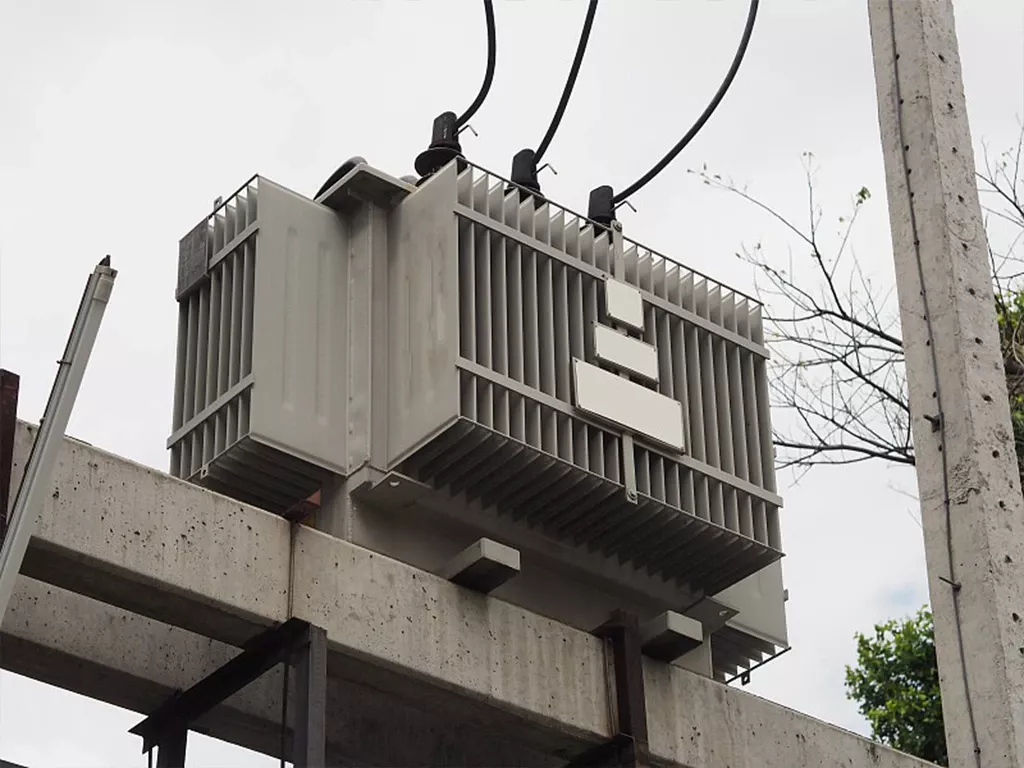
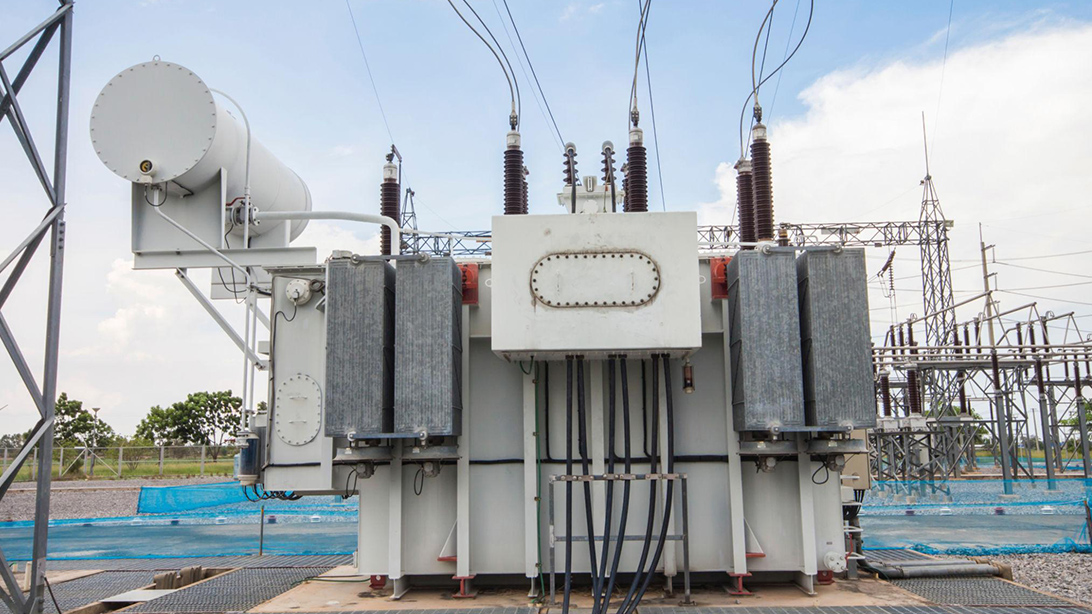
The oil immersed transformer is a critical component in the electrical power industry, known for its efficiency and reliability in power distribution.
Transformer short-circuit impedance affects much more than the transformer itself. This engineering guide explains its impact on fault current, voltage regulation, switchgear selection, parallel operation and FAT verification.
An engineering guide to choosing de-energized or on-load transformer tap changers, with checks for voltage variation, tap schedules, current duty, control behavior and factory verification.
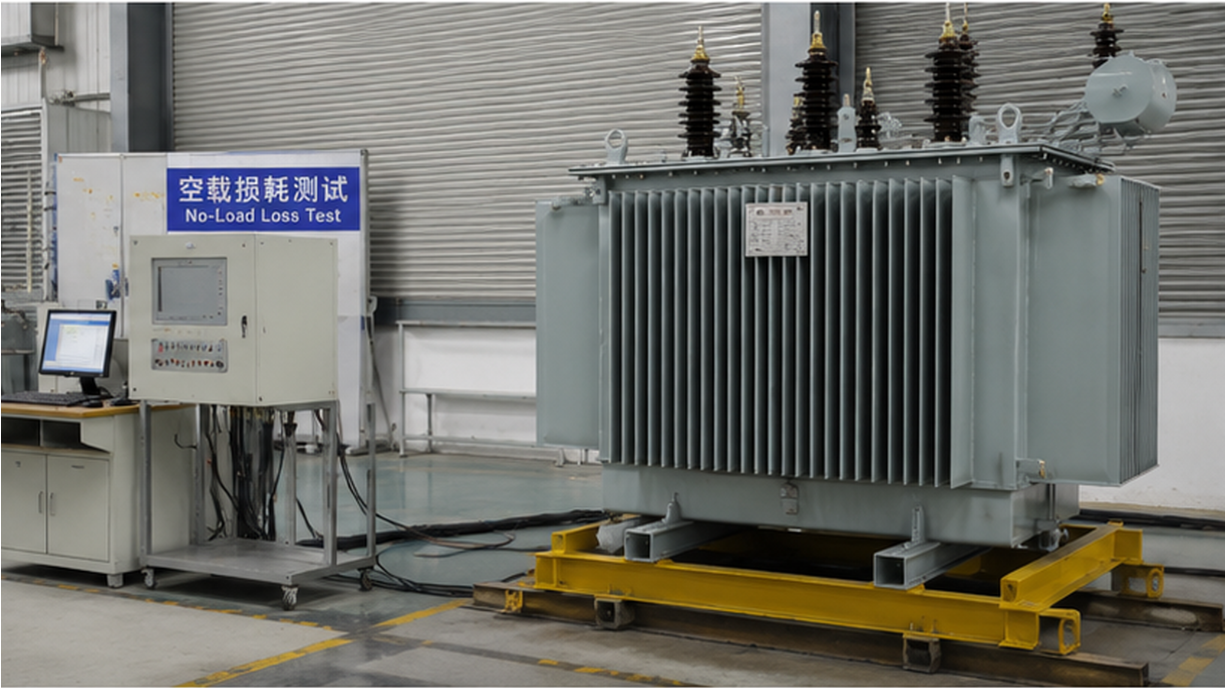
A practical FAT review guide for transformer no-load loss and excitation current, covering test conditions, measurement-chain errors, core-related warning signs and evidence needed before acceptance.
A practical FAT guide to transformer winding resistance measurement, covering four-terminal connections, stabilization, temperature correction, phase comparison, tap progression and site baseline records.
A practical engineering guide to transformer ratio and vector group testing during FAT, covering winding connections, tap-by-tap measurements, phase displacement, abnormal results, report review and EPC acceptance decisions.
A practical engineering guide to transformer hot-spot temperature, covering thermal design inputs, winding and cooling decisions, FAT temperature-rise testing, acceptance checks and procurement data requirements.